How Data Centers Impact Communities
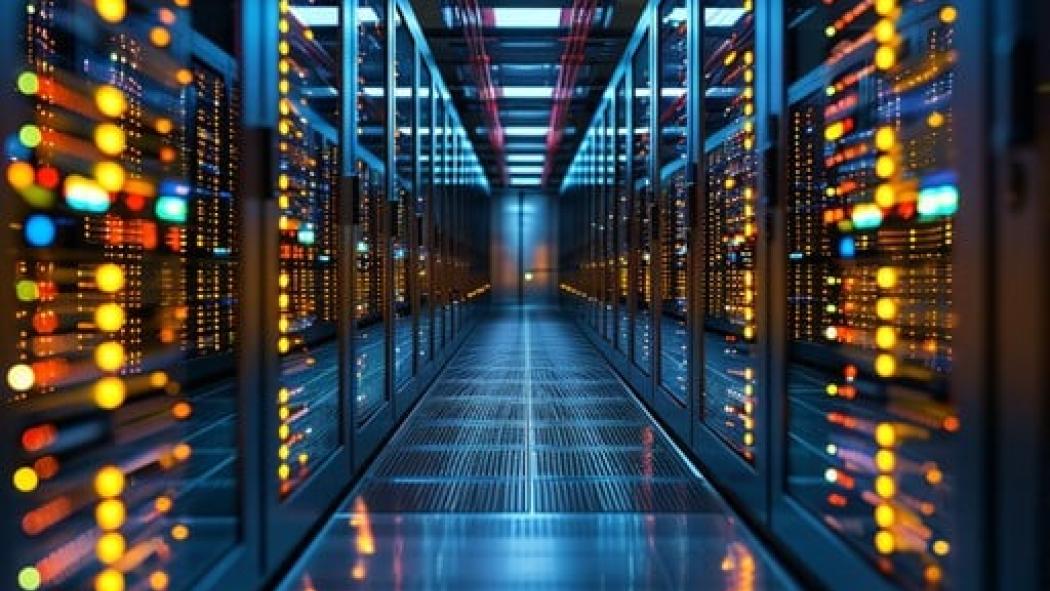
Behind every AI system is physical infrastructure. As AI becomes increasingly integrated into our everyday lives, the demand for specialized data centers intensifies to keep pace with growing computational needs. AI data centers are facilities that house the powerful computers needed to develop and run artificial intelligence systems. Inside, thousands of servers and networking components process enormous amounts of data, while backup generators and cooling systems keep the equipment running despite the intense heat and electricity demands. For example, Pennsylvania (my home state) has approximately 125 data centers, with the biggest concentrations in the Pittsburgh, Philadelphia, and Harrisburg areas. However, data centers exist in surrounding states, with Virginia housing 603, Ohio containing 204, and New Jersey accommodating 67.
The primary concerns surrounding data centers focus on the enormous amount of electricity needed to operate the equipment and the large quantity of water needed to prevent any overheating or fire hazards. A single large data center can consume up to five million gallons of water per day. Strains on local water supply, management of wastewater and contamination from chemicals, and who pays the cost for increased water demand remain questions that still need to be addressed. Other byproducts of data centers are air, noise, and light pollution, affecting quality of life.
According to the University of Michigan Ford School of Science, Technology, and Public Policy, a single data center can consume up to 2 megawatt hours of power—equivalent to the power used by 2,000 homes—and millions of gallons of water annually for cooling, which strains local resources and infrastructure. Tax breaks for data centers also do not deliver the promised economic benefits, such as high-paying jobs, and they reduce local tax revenues, while shifting financial burdens onto communities and schools. Additionally, data centers' massive energy demands are prolonging the operation of fossil fuel plants and undermining state renewable energy goals, as seen in states like Michigan, Virginia, and Nebraska.
To mitigate data centers' environmental impacts and align their growth with sustainability goals, policymakers could adopt model laws like the German Energy Efficiency Act, add requirements for new renewable energy, and enforce transparency through mandatory reporting. The rapid growth of AI data centers, with their enormous energy and water demands, necessitates targeted policy interventions to mitigate environmental impacts and protect local communities. To address these issues, states with existing data center tax breaks should adopt sustainable growth policies for data centers, mandating energy audits, strict performance standards, and renewable energy integration, while also requiring transparency in energy use reporting.
In my community, the developers of a controversial 1.5-million-square foot data center have again been ordered by East Whiteland officials to stop work. The stop work order tells the developers to "immediately cease work" on preliminary construction. It is the second time in recent months that the township has told the developers to halt work at the Foote Mineral Superfund site. In July, township officials had directed the developers to stop any work that moved earth while the township sought greater quality on the soil and health and safety plans. Work resumed by the end of the month. However, under the latest stoppage order, work at the proposed data center site will not restart until the developers can provide the township with confirmation that "sufficient water is available and committed to this project." This is an isolated case close to my heart, but it demonstrates how a community and its local officials can unite to push back when development raises serious concerns.
Steve Brown, East Whiteland township manager, weighed in, saying, "In 2018, the property owner sought a variance from our zoning hearing board. The land was zoned for institutional uses. When they initially asked to develop the land, they requested they begin work developing houses. When the township said no, they came back and asked us to begin work on a data center. And so, they got a variance." Brown continued, "That plan was approved in 2024 and has gotten us to where we are today. The developer wanted to make changes to that plan and they brought changes last winter. That's when the community started opposing the AI data center."
When asked what concerned him the most about the data centers, Brown said, "We are part of a grid that is in the mid-Atlantic. That is where our electricity comes from. The basic problem in our grid is simple economics. There is way more demand being driven by AI data centers than there is supply, and that is causing prices to go up, and it has started to create concerns about the reliability of delivering electricity to residents."
When asked what the solution to this AI data center problem is, Brown answered, "Most municipalities don't even have ordinances that regulate AI data centers, and that really isn't the best way to allow development."
Brown and many others believe the state should change the laws in Pennsylvania to broaden township management. People need to educate themselves and understand AI development and its potential impact on communities and neighborhoods they live in.